Bottlenose dolphin
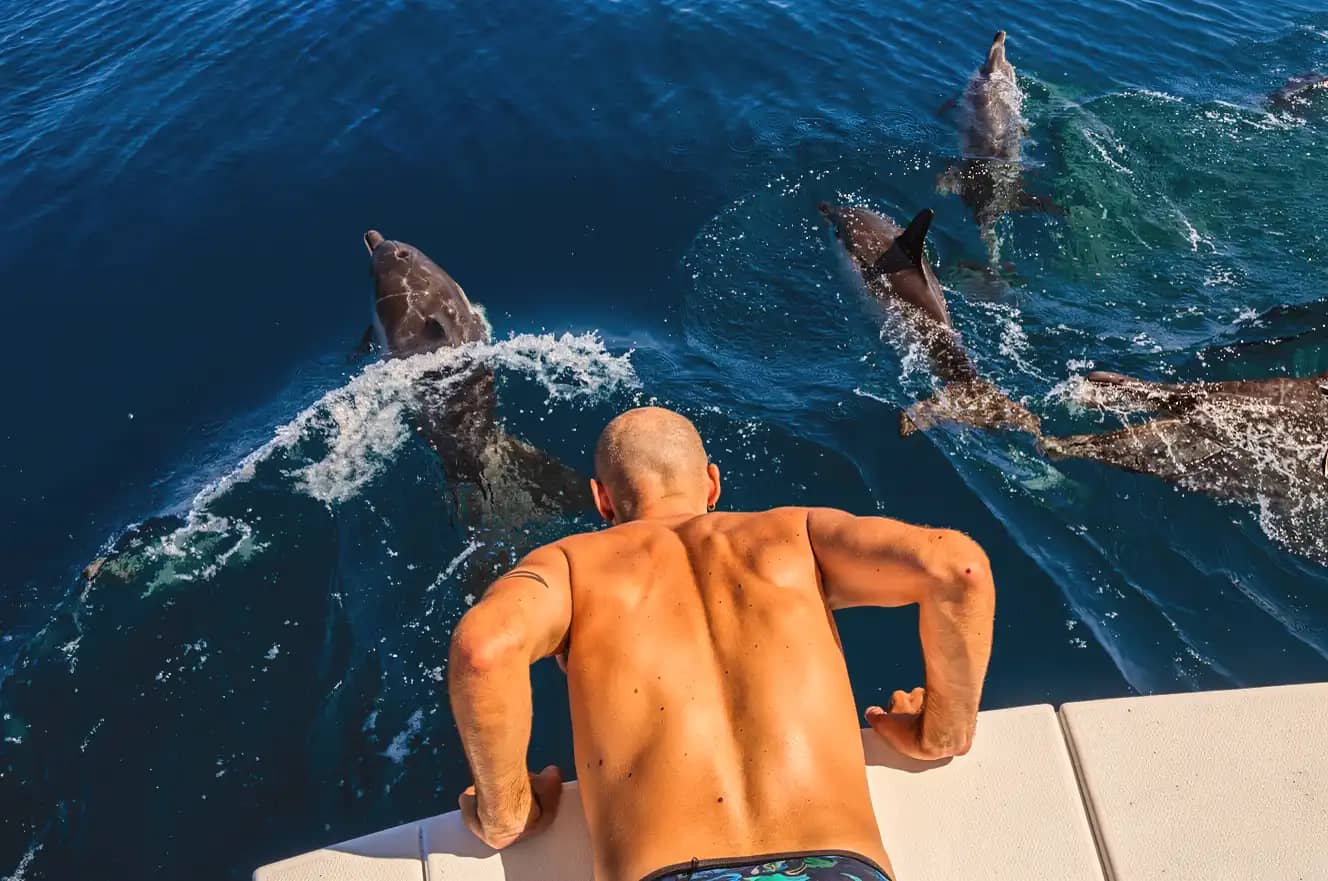
Tursiops truncatusCommonThe year-round resident. Here we see it both hugging the coast and further out, sometimes mixed in with groups of striped dolphins in the same sighting.

Puerto de la Duquesa · Manilva
From Puerto de la Duquesa the sea opens up and turns deep almost at once. It's our westernmost base, already on the doorstep of the Strait of Gibraltar, where the usual bottlenose dolphins are joined by striped dolphins in groups, pilot whales and, with luck in high summer, the odd passing orca.
35 km
in a straight line to the Strait
Of our three harbours, Manilva is the one nearest the Strait — one of the best windows in the world for watching cetaceans. That closeness changes what turns up: here the sea is transitional, deeper and more open, and species arrive that rarely come near Benalmádena.
Very high
Chance in season (a rich zone)
+50 m
Depth close to the coast
May–Oct
Best season, peak variety
Over 90% real sighting rate in season in Manilva. Variety rises the closer we get to Punta Chullera and Sotogrande.
Manilva sits on the edge between the coastal Alborán Sea and the deep waters of the Strait, making it one of the most varied spots on the whole Costa del Sol. These are the species we tend to come across, from most to least common.
The year-round resident. Here we see it both hugging the coast and further out, sometimes mixed in with groups of striped dolphins in the same sighting.
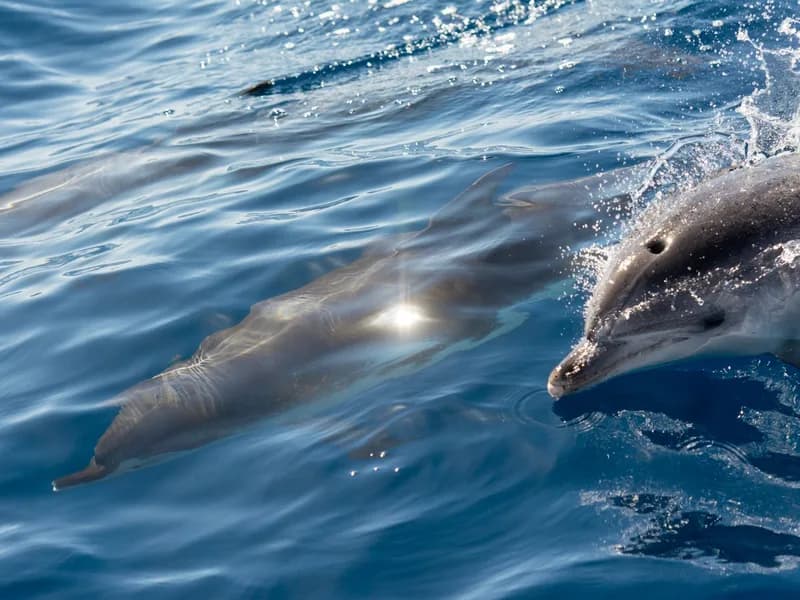
What's occasional in Benalmádena is frequent in Manilva: the deep water within easy reach is its habitat. They travel in pods of dozens and put on a fast, leaping show.
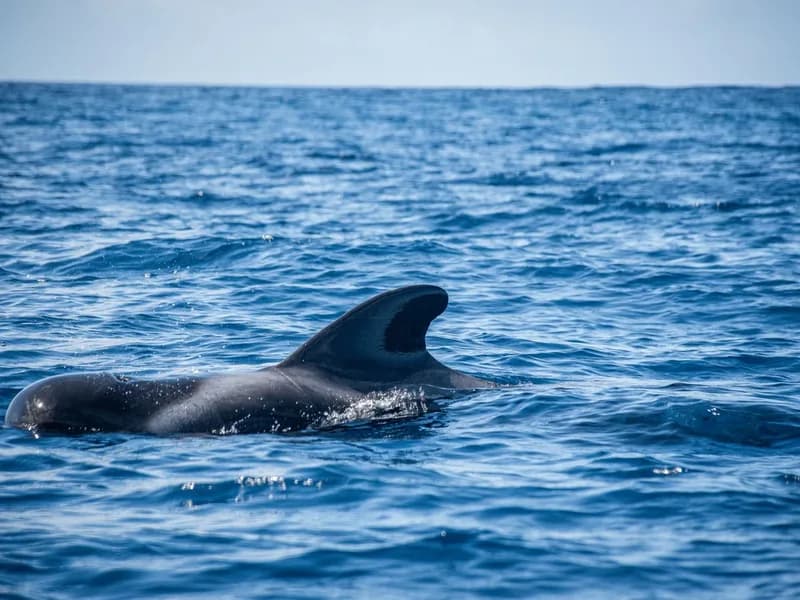
A dark, sturdy cetacean, larger than a dolphin, typical of deep water on the way to the Strait. It moves in calm groups and is one of the most striking sightings when it happens.

Common in the warm months, floating at the surface to soak up the sun. With more open sea here, they're easy to spot well away from shore.
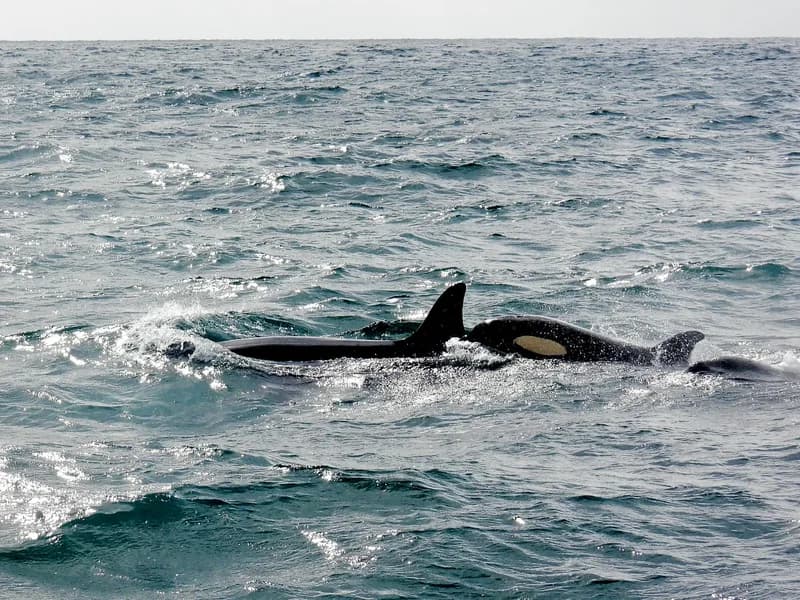
The orcas of the Strait follow the bluefin tuna and in summer one occasionally ventures into these waters. It's an exceptional sighting, never guaranteed, but only possible because of how close we are to the Strait.
We leave Puerto de la Duquesa and head west, past Sabinillas and the Sotogrande marina, towards Punta Chullera and the Casares coast. It's the stretch where the shelf drops away quickly and the seabed falls to open-sea depths a short distance from land.
That drop in depth is Manilva's secret: it brings the food that concentrates striped dolphins and pilot whales much closer to shore than at other harbours. We're not after the same animals as Benalmádena in sheltered water, but the richness of the transition to the Strait.
4–8 nm
Distance to the usual grounds
25–35 min
To the first sightings
40–100 m
Depth of the area
Our dolphin-watching trip sails from Puerto de la Duquesa and cruises the coast off Manilva and Casares, one of the best stretches of the Strait for spotting dolphins. Book your seat online and get instant confirmation.
To head into more open water we use boats that handle a bit of chop well and have good range. We currently have 13 boats available along the Costa del Sol. Here are the ones available right now at La Duquesa.
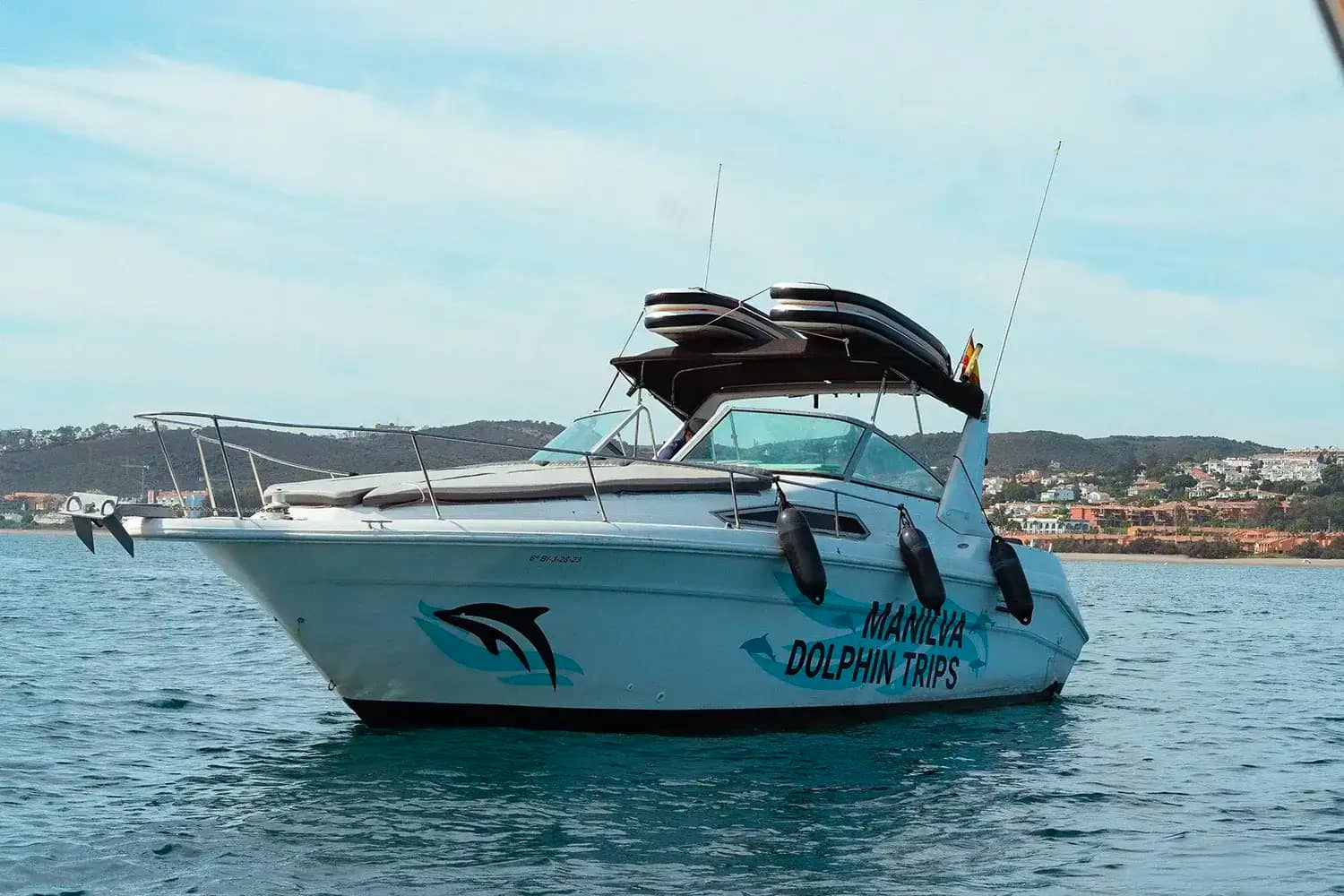
We meet you at the Puerto de la Duquesa mooring. It's a calm, manageable harbour, easy to find and with parking nearby.
We tell you which species are possible to spot today based on the forecast and season, and set a course for Punta Chullera and the deep water.
On reaching the deep zone we sail slowly, watching for leaps and fins. Every trip here is different: a group of striped dolphins, pilot whales or just bottlenose may appear.
When we find them, we approach carefully and cut the engine to watch without disturbing them. Then we head back to La Duquesa along the Casares coast.
What you ask us most about going to see dolphins and cetaceans from Manilva.
Calle Delfín, Nº Atraque 61-63, 29692 Manilva, Málaga
Exit 153 off the A-7 (Mediterranean motorway) towards Puerto de la Duquesa. About 15 minutes from Estepona and 35 from Marbella.
Intercity buses link Estepona and La Línea with Sabinillas/Manilva. From the stop to the harbour it's a short walk or a few-minute taxi.
Puerto de la Duquesa has surface parking beside the moorings and free spaces nearby, usually more generous than at the big harbours.
The Manilva and Casares area has charming things to do a few minutes from the harbour, very different from the bustle of the big coastal marinas.
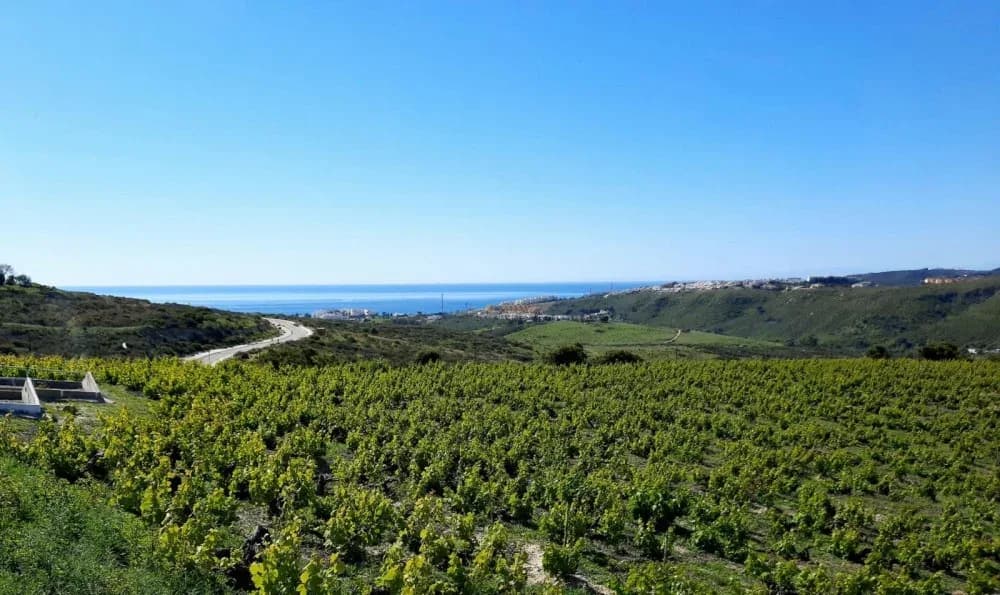
Manilva has been wine country since Roman times. At the local bodegas you can taste its moscatel with sea views — a perfect end to the day.
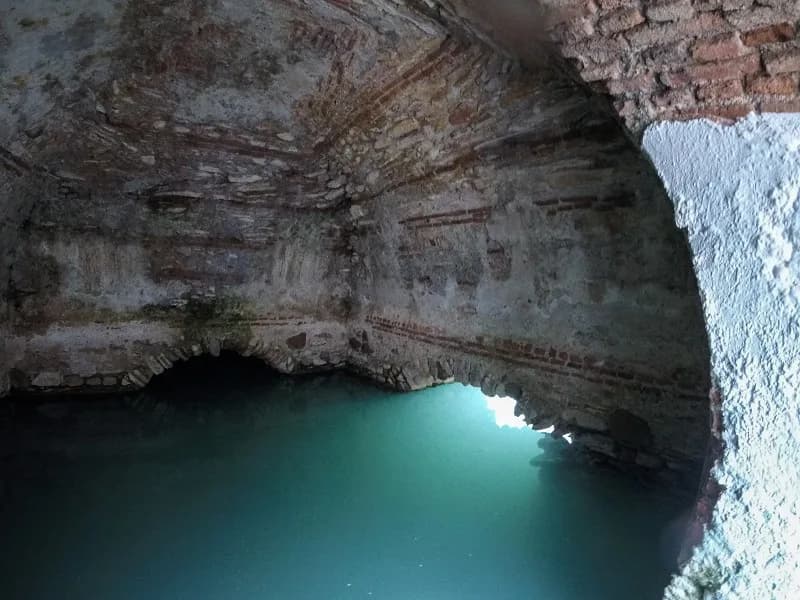
Sulphurous baths with almost two thousand years of history, out in the countryside a few minutes away. Curious, free and very photogenic.
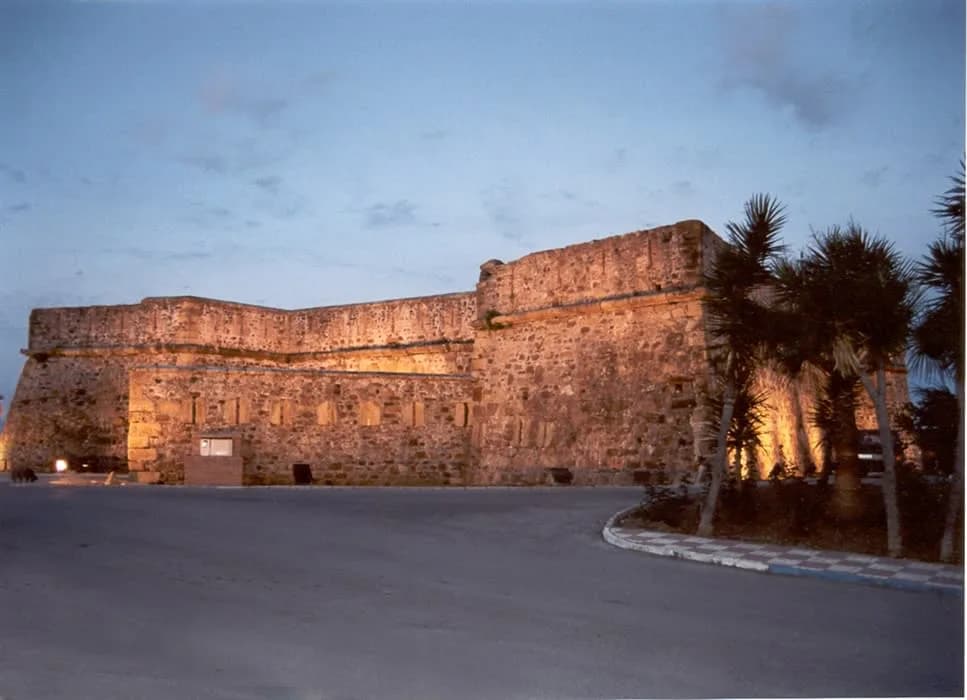
An 18th-century fortress next to the harbour, with Roman remains alongside. A short walk to stretch your legs after the boat.
If you want more sea, you can rent a boat on your own in Manilva, see the rest of the options in our dolphin-watching guide, or compare with our trip from Estepona, also good for cetaceans.
Real reviews from customers in Manilva.
A magnificent experience run by two top-notch professionals who gave us a fantastic day. Extremely friendly and attentive to all the customers on board. We saw lots of dolphins for a good while. The boat, modern and very well kept.
The boat was clean and they take an interest in keeping it that way. They helped set up the balloons and decorations for the birthday, they even played the song to celebrate her. They kept an eye on the dolphins and followed them the whole time — that's what I liked most!!!! Keen to find out why they're called bottlenose dolphins. They put on music and Bluetooth with dolphin sounds to go along with us. We didn't use the surfboards they had on board. It was exactly 2 hours. Professional and respectful. Recommended.
We've rented with Solboat several times and we're always delighted. The staff are excellent, very friendly and with clear explanations that give you confidence. Each experience was better than the last: we enjoyed the sea, saw dolphins and tuna, and even got to fish. Without a doubt, a highly recommended service.
Book your dolphin-watching trip in Manilva, or message us and we'll tell you what's being seen these days.