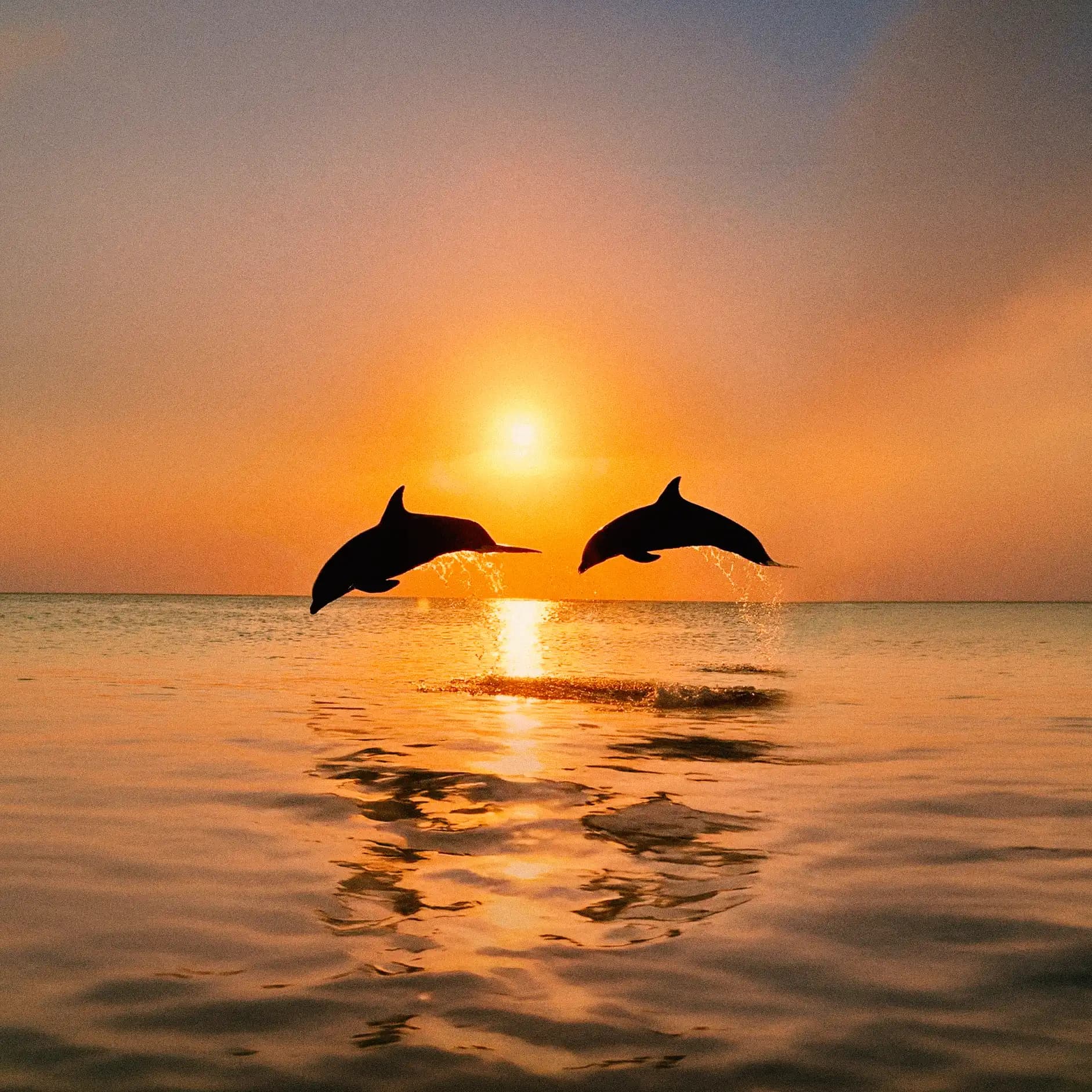
 Resident all year
Bottlenose dolphin
Tursiops truncatus
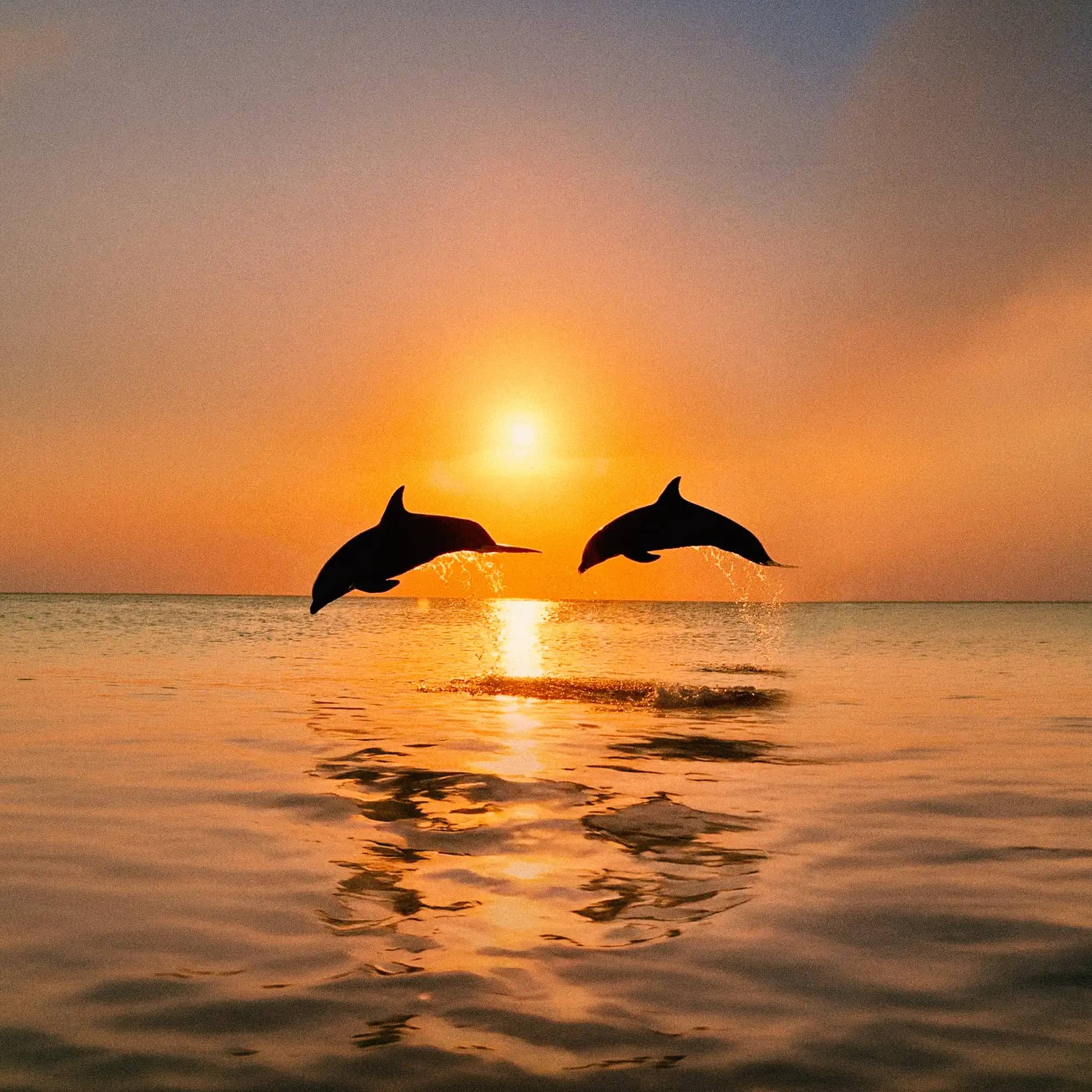
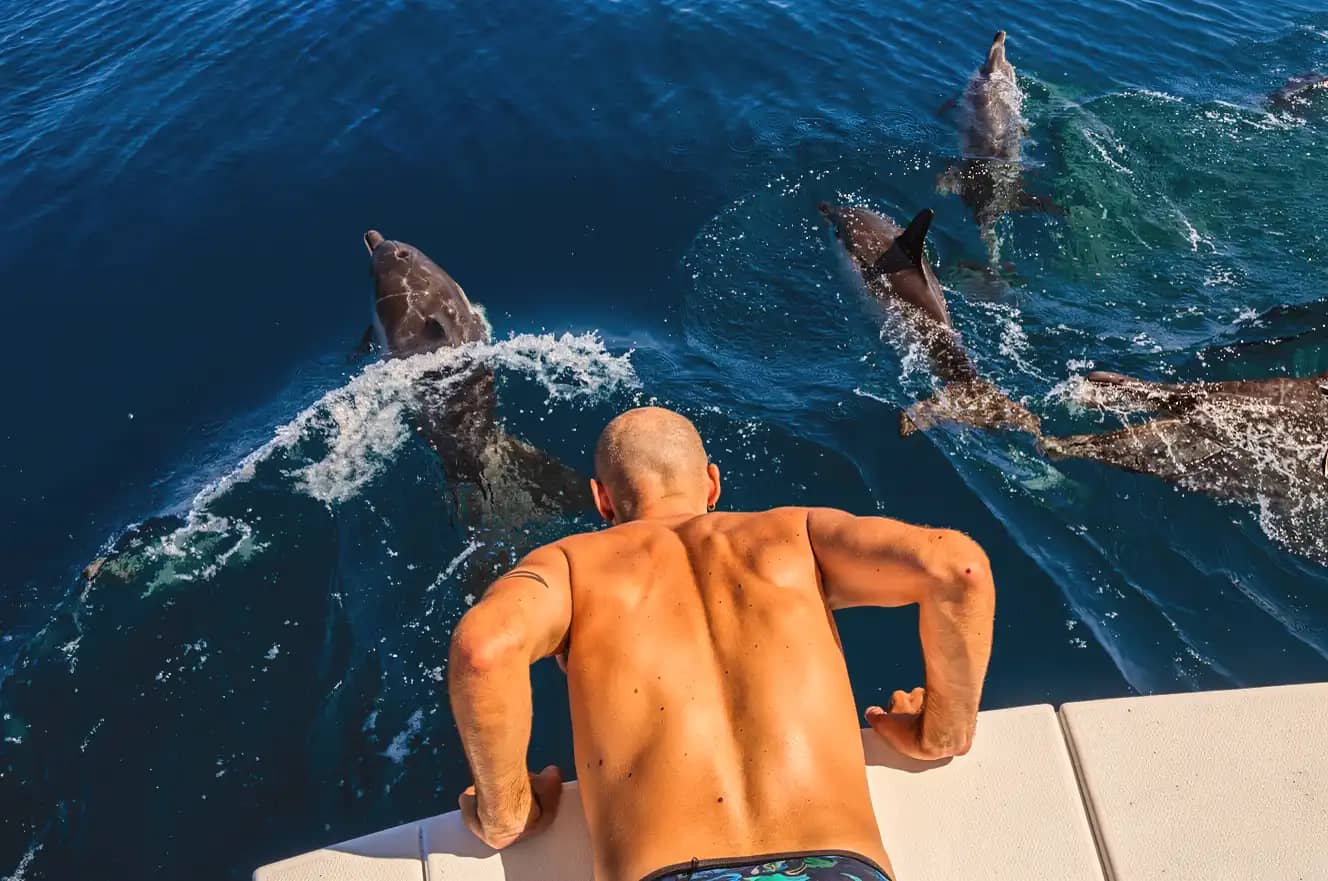
The classic dolphin, sturdy and with a pronounced snout. It lives in stable coastal pods that know boats well. It's the cetacean you're most certain to see at any time of year.
Complete guide · Costa del Sol
Everything you need to know before heading out: which species live in the Alborán, when the best time is, how to improve your chances and which harbour to sail from. A guide built by people with more than nine years navigating these waters.
The Alborán Sea is the gateway between the Atlantic and the Mediterranean. Cold, nutrient-rich Atlantic water flows in through the Strait and meets the warmer Mediterranean. That encounter triggers a bloom of plankton and fish that feeds one of the most important cetacean communities in Europe.
That's why, off the Costa del Sol, it's not unusual to see dolphins all year round. Some species are residents and others pass through seasonally or come up from the Strait. In this guide we explain which they are, when to look for them and how to enjoy them responsibly.
We operate from three Costa del Sol harbours. Each gives access to a different part of the Alborán, so the experience and the species change. Open the one you're interested in to see its route, species and times.
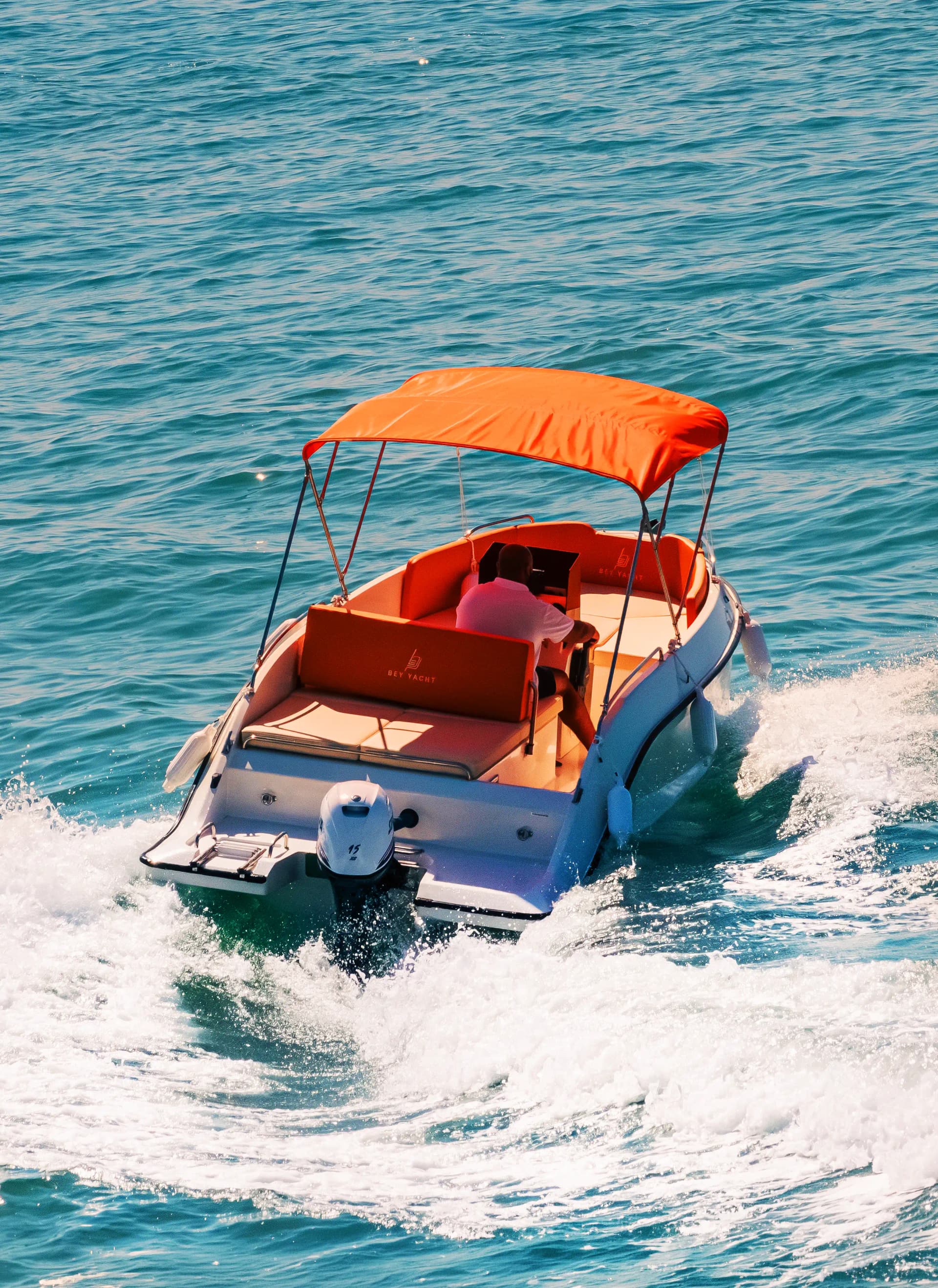
Sheltered waters and a short trip, 15 minutes from Málaga. The most comfortable option and the best for families and coastal bottlenose dolphins.
See the Benalmádena trip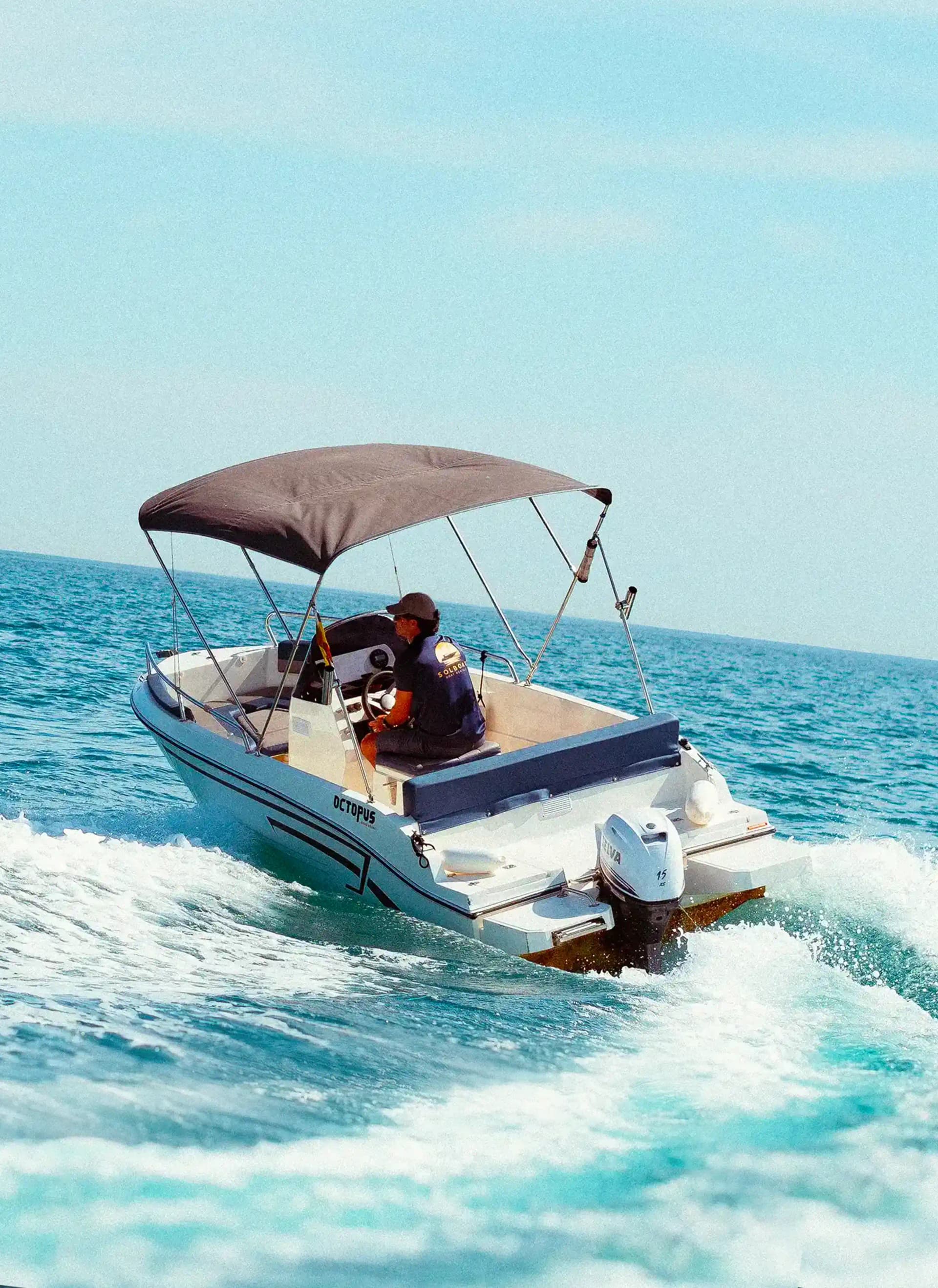
The base nearest the Strait, with deep water and the greatest variety of cetaceans: striped dolphins, pilot whales and a chance of orca.
See the Manilva trip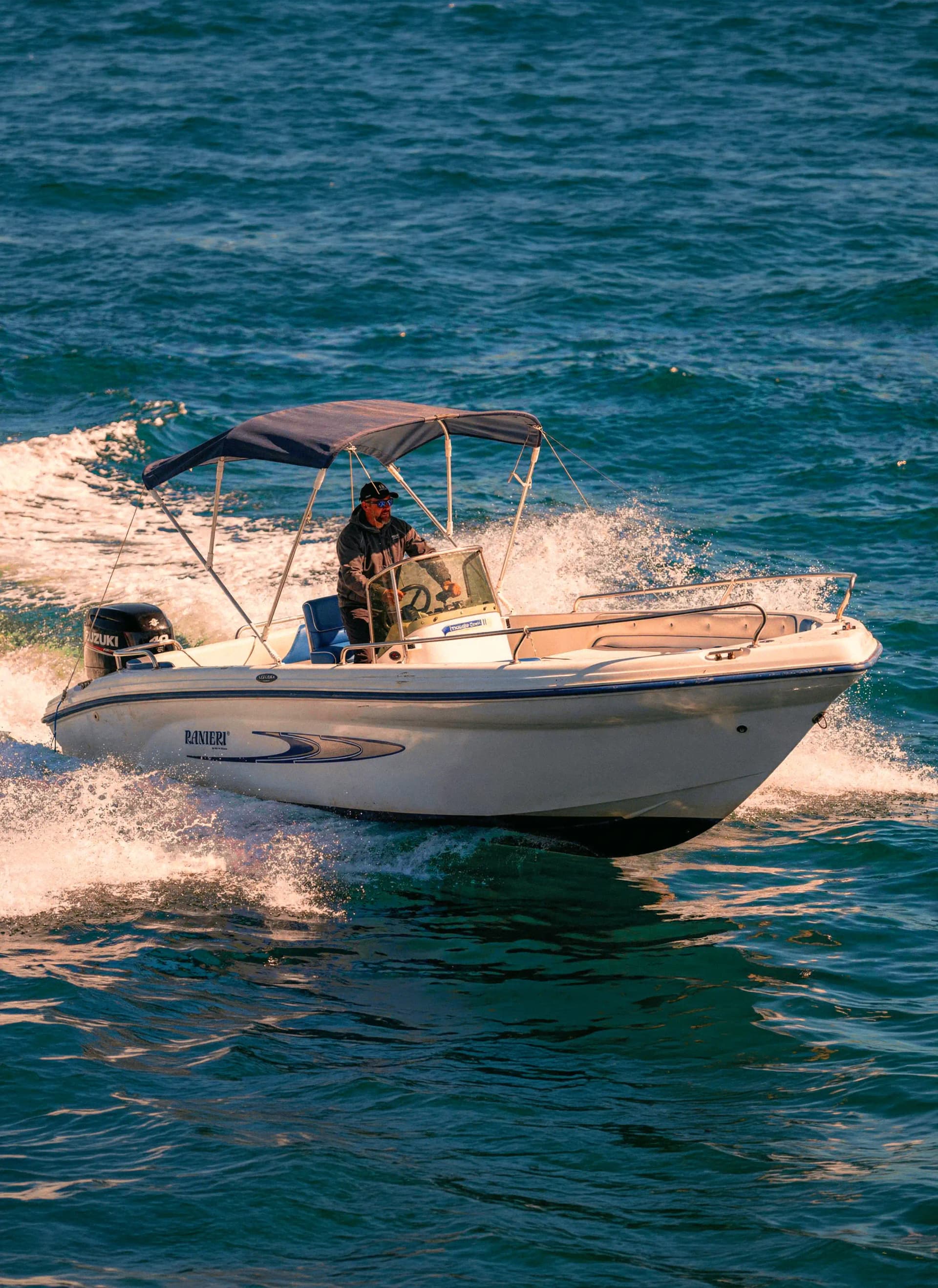
Beside the underwater canyons of the Guadiaro, a middle-ground spot with good wildlife variety and a beautiful setting.
See the Estepona tripNot sure where to start? Our guide to dolphin watching on the Costa del Sol compares the three harbours season by season, and if you're coming from the city you'll find the detail in dolphin watching in Málaga.
These are the cetaceans and the sea turtle you can watch off the Costa del Sol. Being able to tell them apart makes the trip far more interesting; here's a quick profile of each.
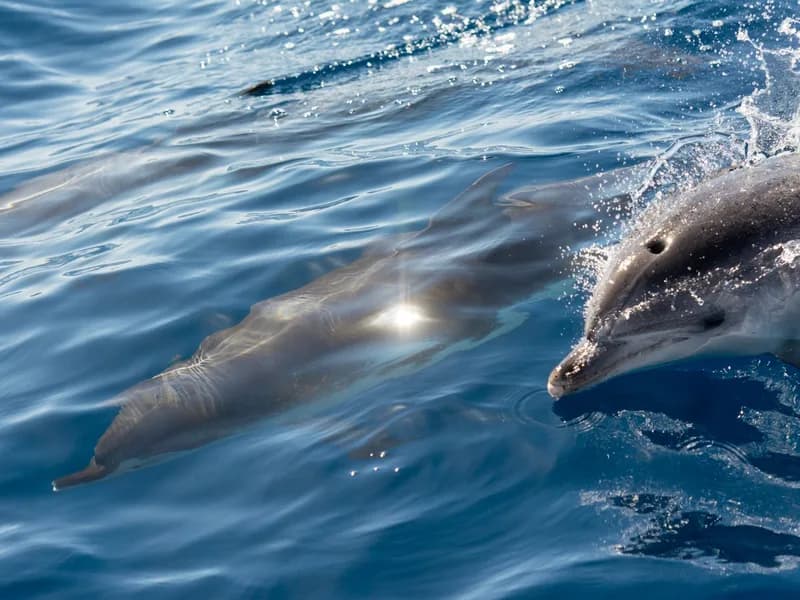
Resident all yearTursiops truncatus
The classic dolphin, sturdy and with a pronounced snout. It lives in stable coastal pods that know boats well. It's the cetacean you're most certain to see at any time of year.
 Frequent in deep water
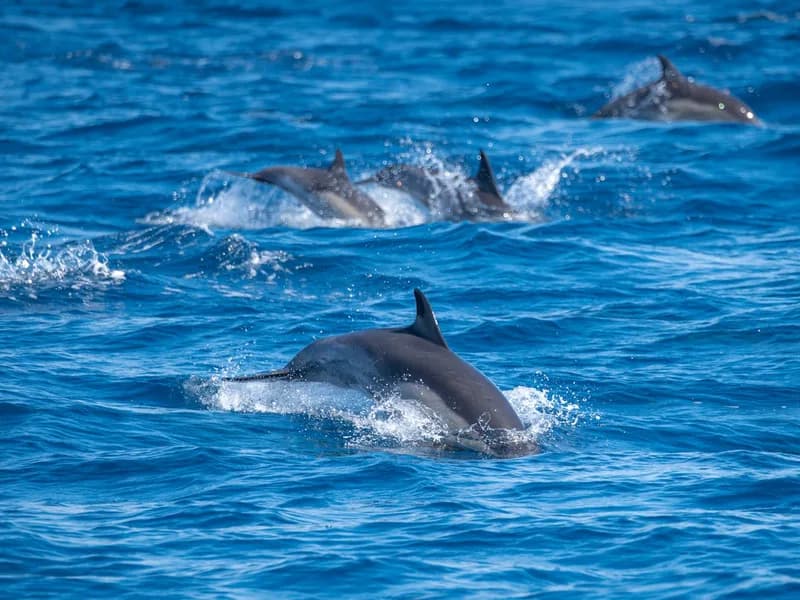
Stenella coeruleoalba
Slimmer, with blue and white lines along its flanks. It lives offshore and moves in large, fast pods. Common near the Strait, in Manilva and Estepona.
 Seasonal
Delphinus delphis
Despite the name, today it's less common than the bottlenose. It's recognised by the golden-and-grey hourglass pattern. It appears seasonally, following the fish shoals.
 Occasional
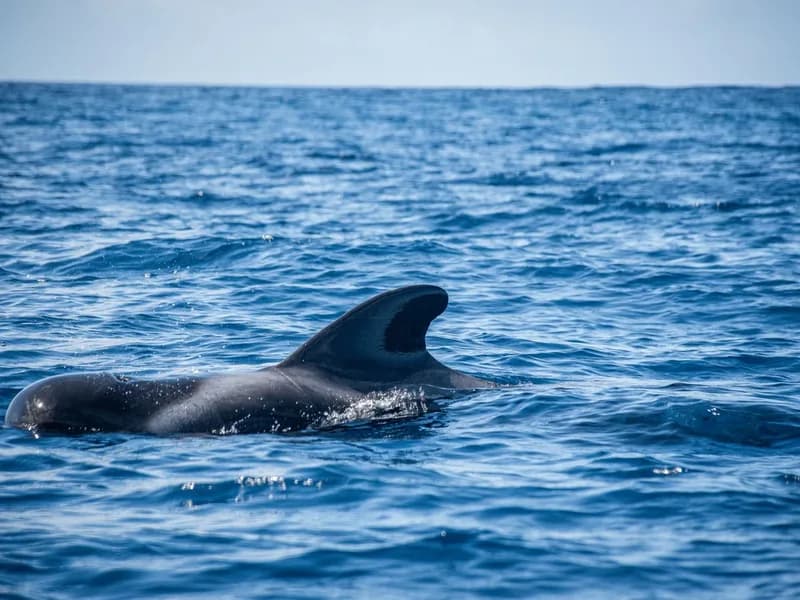
Globicephala melas
Technically a large dolphin, black with a bulbous head. It lives in deep water in tight family groups. More likely in the transition zone to the Strait.
 Rare (summer)
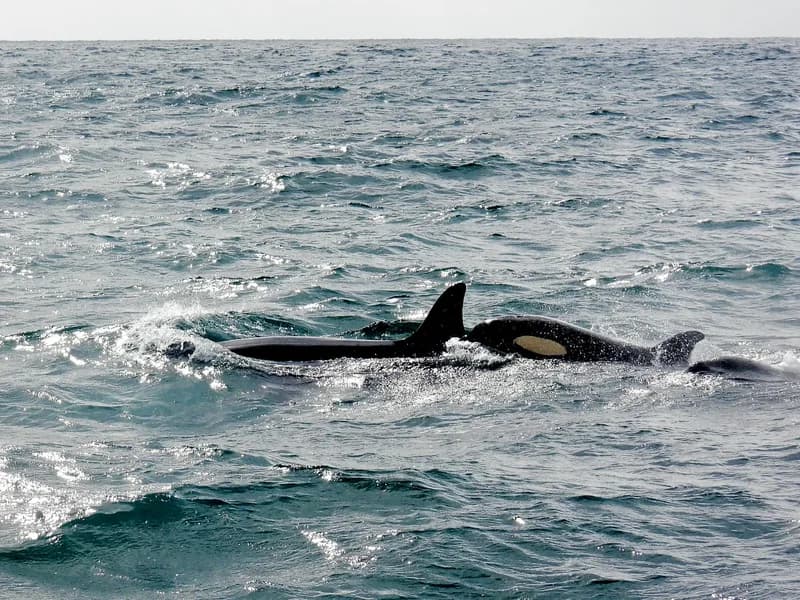
Orcinus orca
The largest of the dolphin family. A group from the Strait comes in each summer to hunt bluefin tuna and, exceptionally, one may be seen from the western harbours. A unique sighting, never guaranteed.
 Frequent in summer
Caretta caretta
Not a cetacean, but it nearly always comes along. It's seen floating at the surface in the warm months. It's protected and one of the loveliest sights of the trip.
Bottlenose dolphins are seen all year, but the variety and sea conditions change with the seasons. This is the general pattern for the Costa del Sol.
| Period | Most likely | Note |
|---|---|---|
| January – February | Bottlenose dolphin | The residents are still there, but there are fewer trips due to the state of the sea. |
| March – April | Bottlenose, first calves | The sea calms and activity returns. A good time, with few people. |
| May – June | Bottlenose, striped | The season kicks off. Mild waters and more frequent sightings. |
| July – August | All; orca near the Strait | Peak variety and the best sea. Worth booking ahead. |
| September – October | Bottlenose, striped, turtle | Among the best months: mild water and fewer boats. |
| November – December | Bottlenose dolphin | Trips depend on the weather; bottlenose dolphins stay active. |
Watching wildlife in the wild is never 100% certain, but some choices work in your favour. These are the tips we give anyone wanting to make the most of the trip.
The sea is usually calmer in the early morning and the animals are more active. Early trips have better visibility and less wind.
With little swell it's much easier to spot fins and leaps at a distance. If you can, check the marine forecast and avoid days of strong easterly wind.
Most sightings start far off: a splash, a group of birds fishing or a distant fin. Spread your gaze and tell the crew if you see something.
Cetaceans are sensitive to noise. On board, speaking softly and avoiding bangs helps them approach with confidence rather than move away.
We never chase or surround the animals: we keep our distance and let them choose to come closer. That protects the wildlife and gives a better view.
These are the dolphin-watching trips currently bookable on our site, sailing from Puerto Marina (Benalmádena) and Puerto de la Duquesa (Manilva). Take a seat on a shared departure or hire the whole boat for your group — either way you pick the date and time online and get instant confirmation.
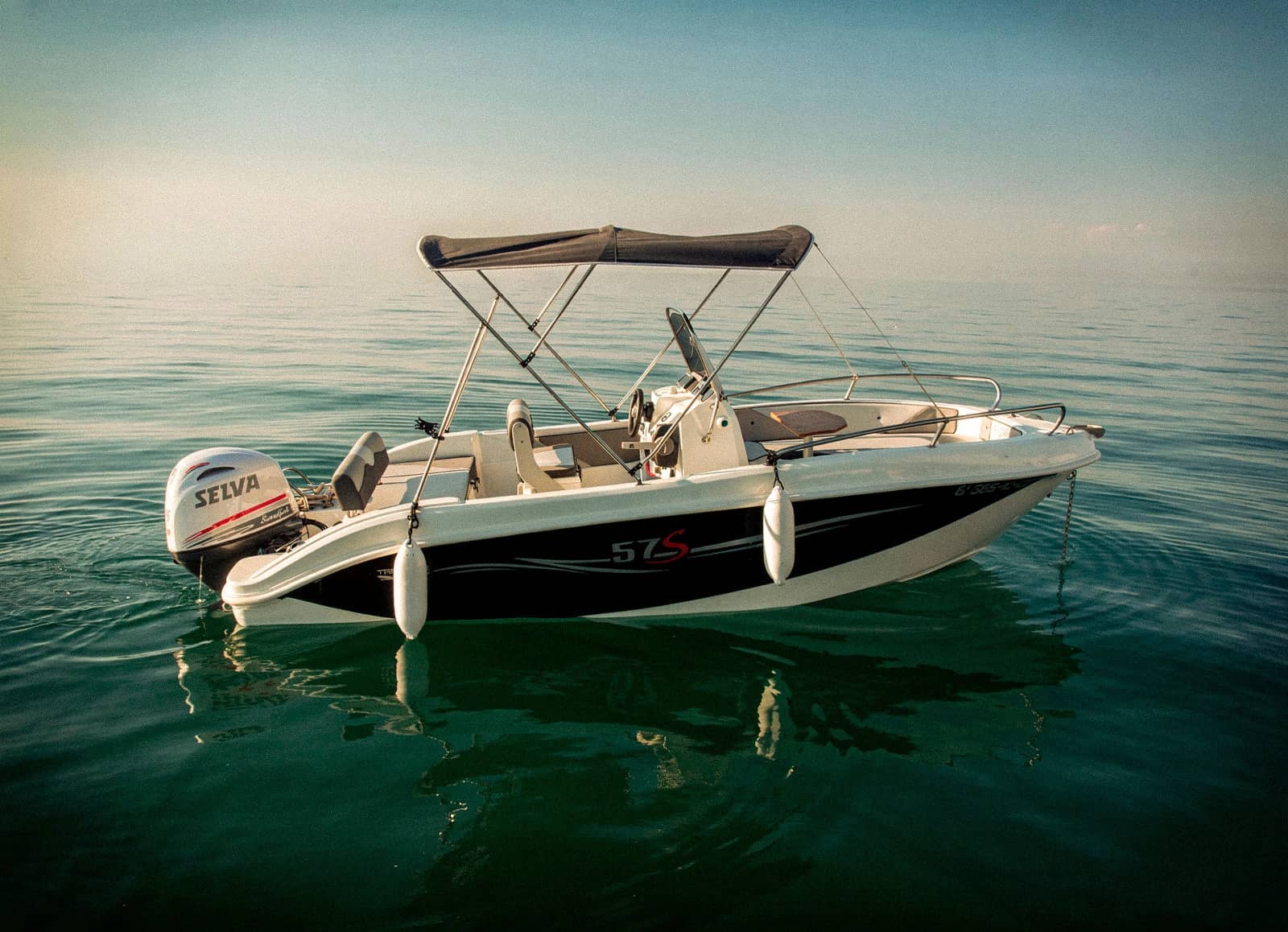
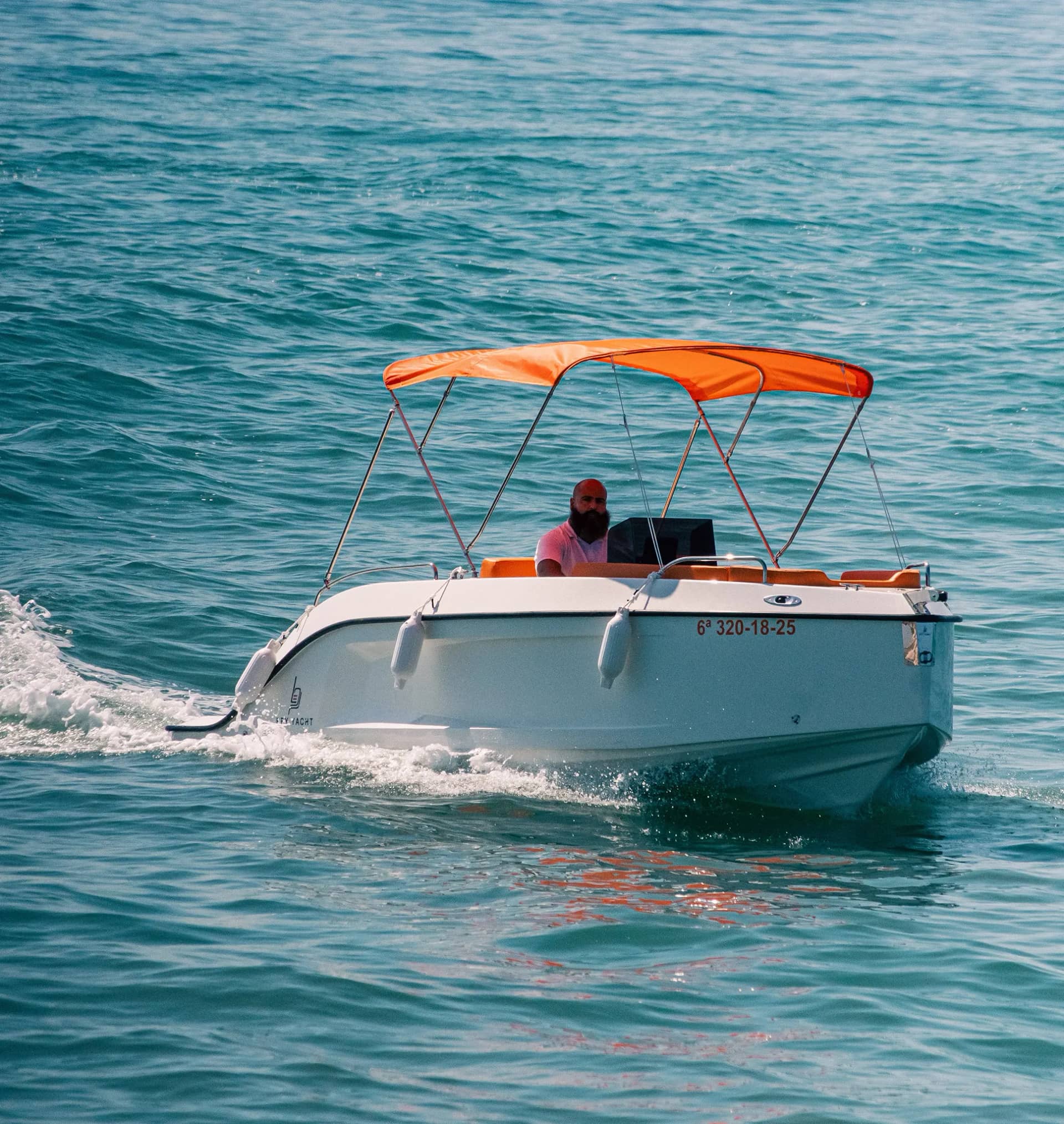
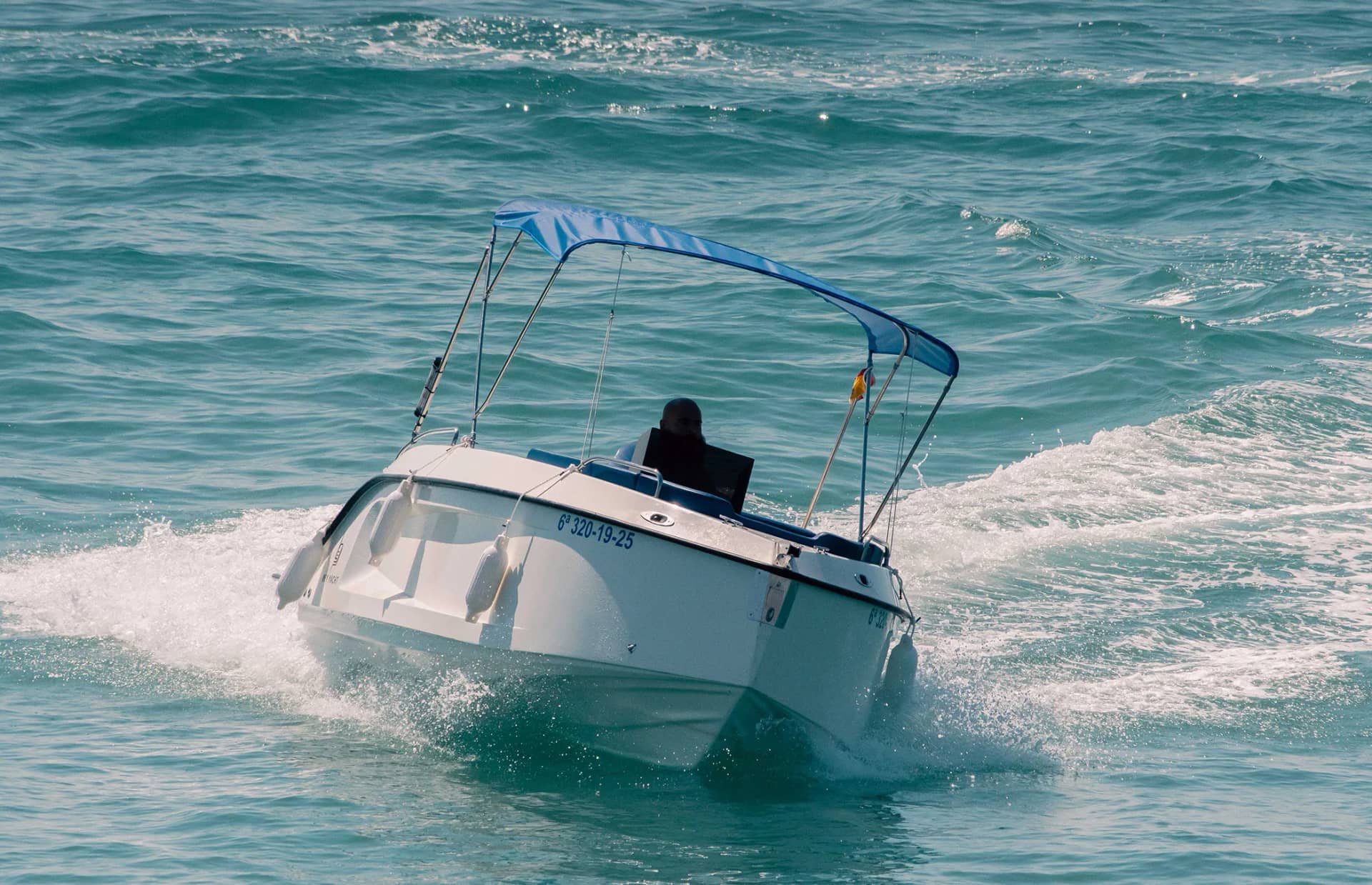
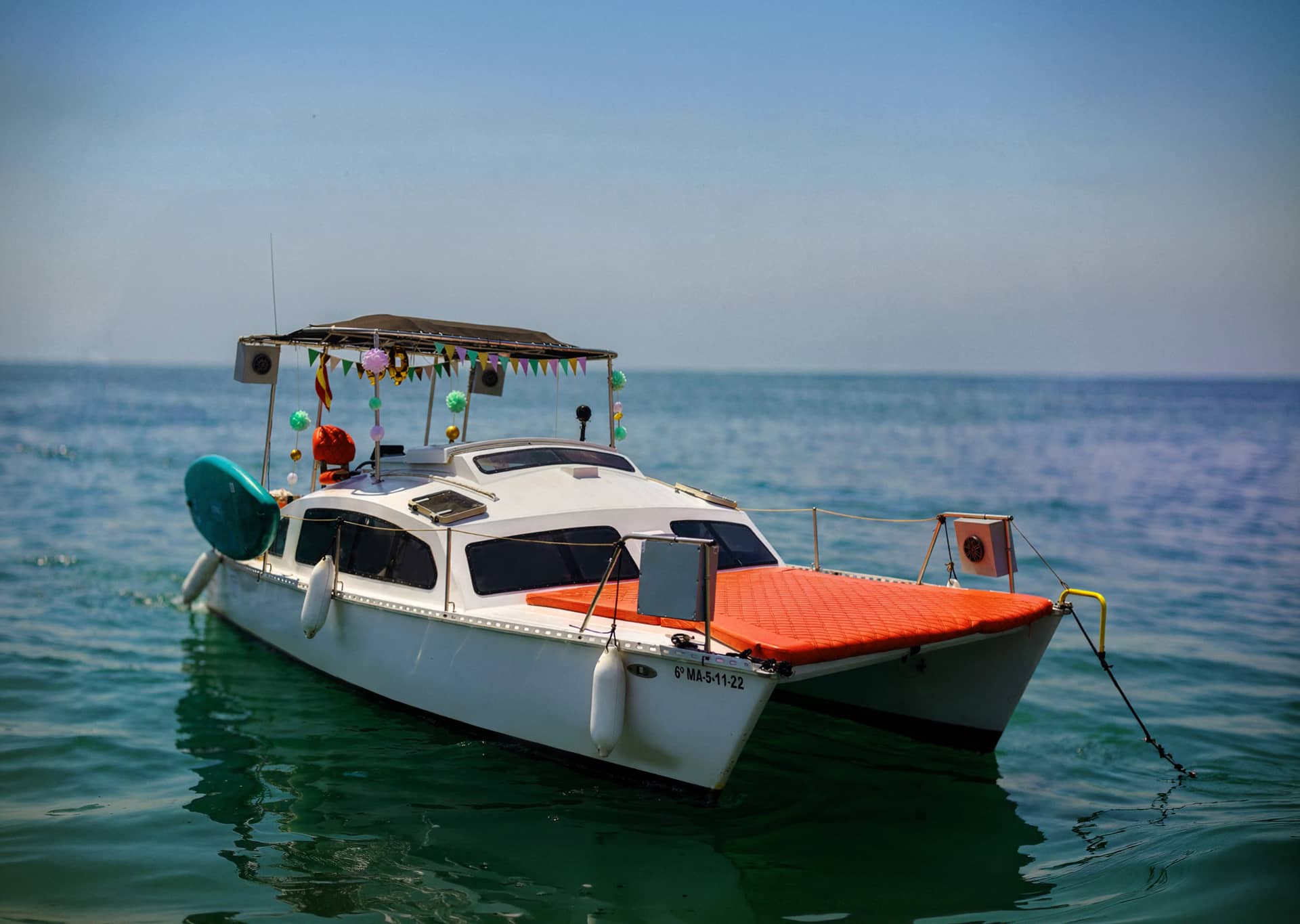
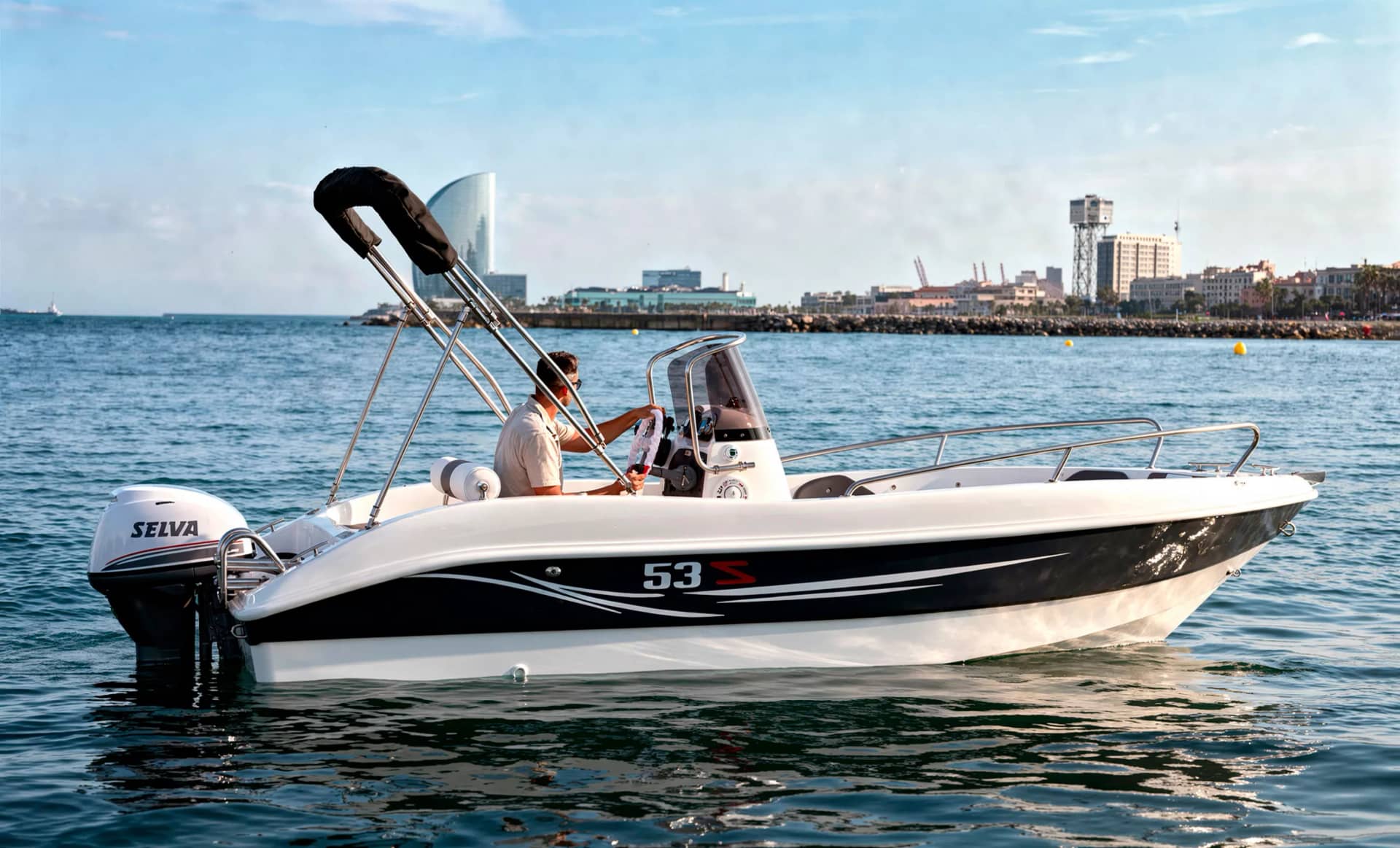
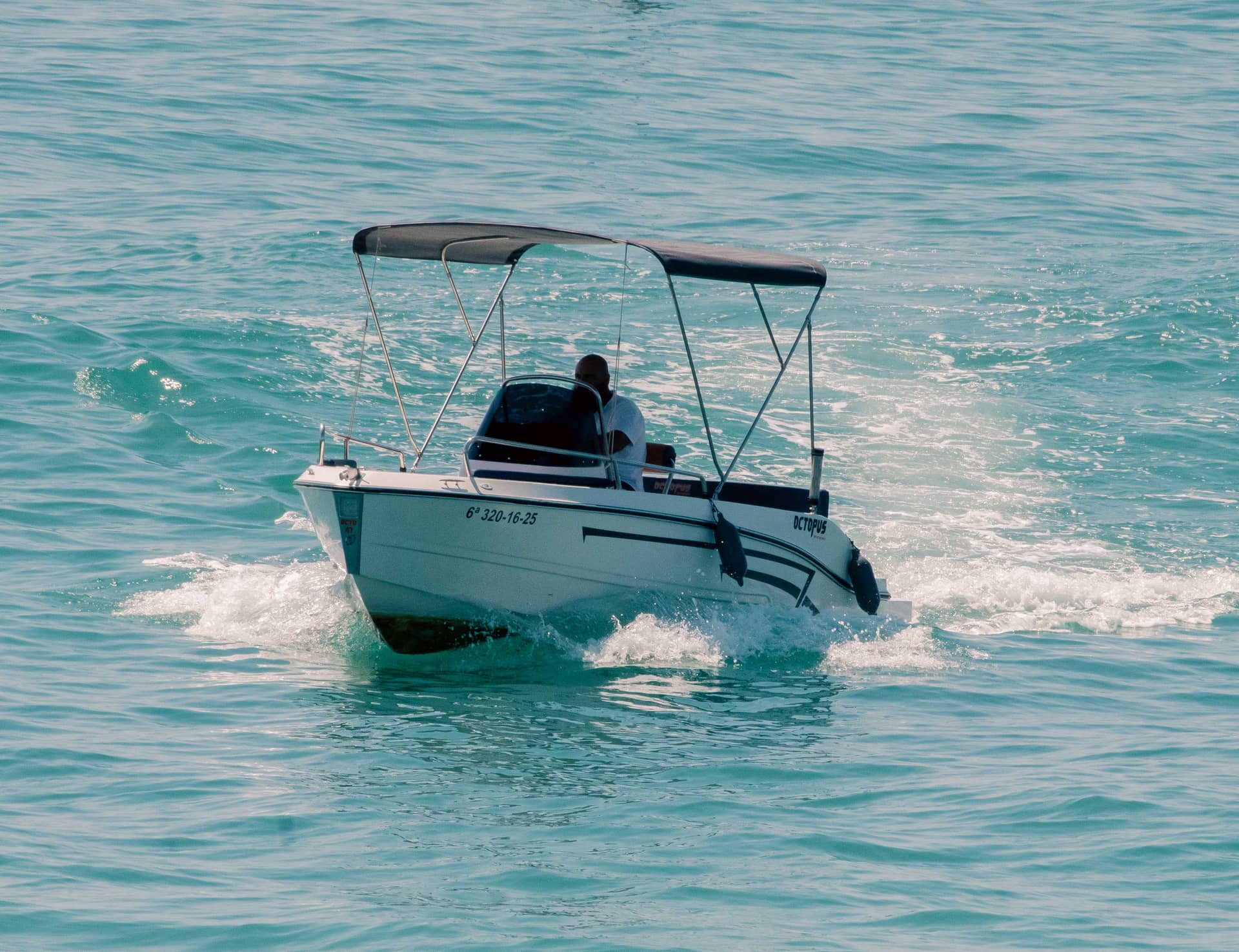
We spread boats across the three harbours, all stable and comfortable for watching the sea calmly. We currently have 13 boats available. Here are some examples.
General questions about cetaceans and responsible watching.
Each harbour offers a different experience of the Alborán Sea. Open the one that suits you best and book your trip.